
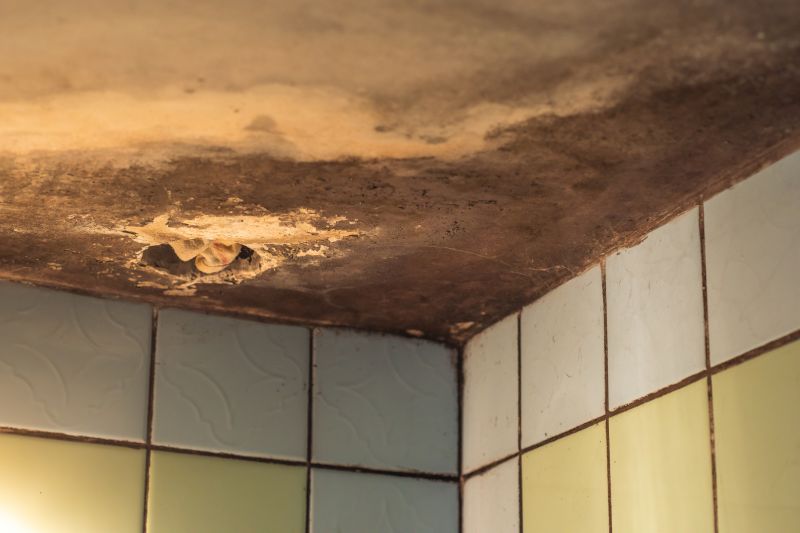
Ceiling Mold Removal in Essex County, NJ
Ceiling mold removal services focus on eliminating mold growth that appears on the surfaces of ceilings within residential properties. This type of service typically addresses issues caused by excess moisture, leaks, or humidity that create a suitable environment for mold to develop. Projects can range from small areas affected by isolated spots to larger sections of ceiling where mold has spread extensively. Property owners often seek this service to improve indoor air quality, prevent structural damage, and restore the appearance of affected ceilings.
Before requesting ceiling mold removal, property owners usually want to understand the extent of the mold growth, the underlying causes of moisture, and the steps involved in the cleaning process. It’s important to identify whether the mold is confined to the surface or has penetrated deeper into building materials. Additionally, understanding any necessary repairs to leaks or ventilation systems can help ensure the issue does not recur. Clear communication about the scope of work and the methods used can assist homeowners in making informed decisions for maintaining a safe and healthy living environment.
Many property owners in Essex County, NJ look into Ceiling Mold Removal for repairs, replacements, upgrades, and appearance-related improvements.
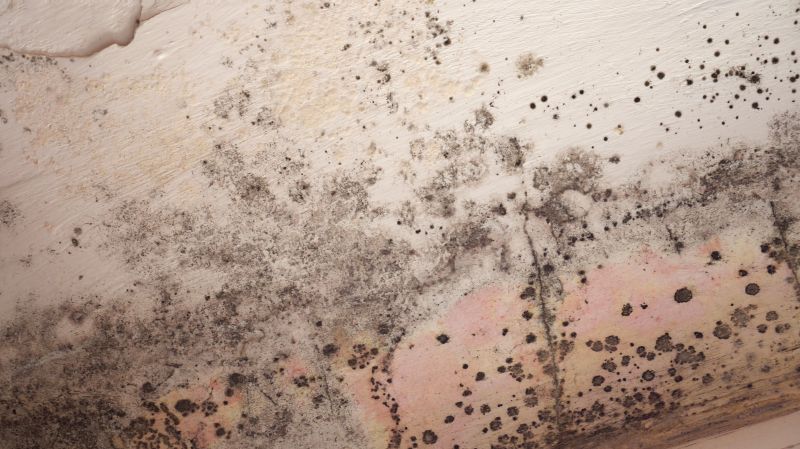
Signs Of Ceiling Mold
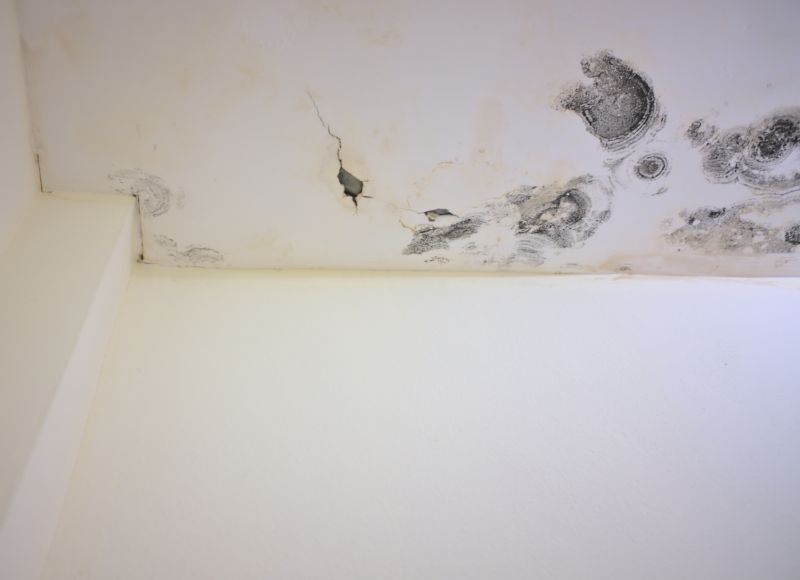
Common indicators include discoloration, musty odors, and peeling paint on ceiling surfaces.
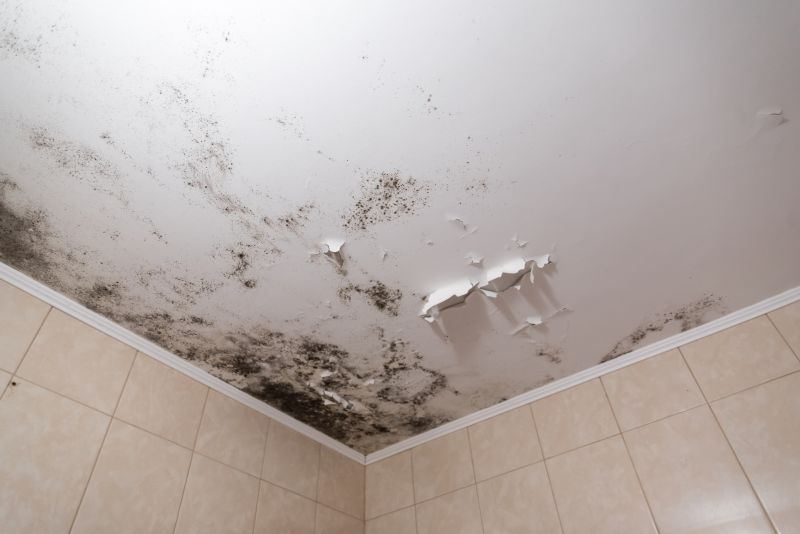
Health And Safety Concerns
Removing ceiling mold helps prevent allergic reactions and respiratory issues for residents.
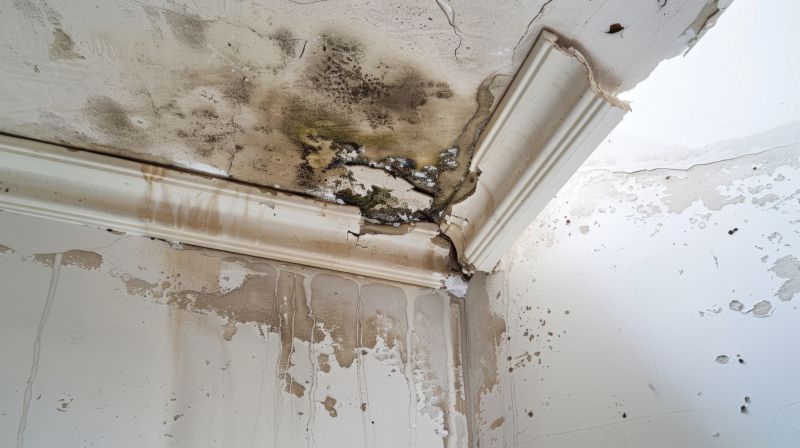
Prevention And Maintenance
Proper ventilation and moisture control can reduce the risk of mold growth in essex county homes.
Ceiling Mold Removal in Essex County, NJ
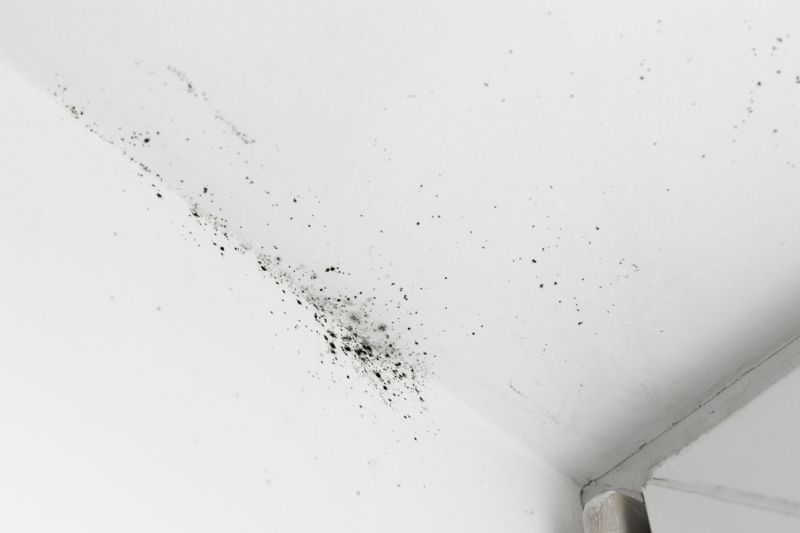
Ceiling mold removal services focus on eliminating mold growth that appears on the surfaces of ceilings within residential properties. This type of service typically addresses issues caused by excess moisture, leaks, or humidity that create a suitable environment for mold to develop. Projects can range from small areas affected by isolated spots to larger sections of ceiling where mold has spread extensively. Property owners often seek this service to improve indoor air quality, prevent structural damage, and restore the appearance of affected ceilings.
Before requesting ceiling mold removal, property owners usually want to understand the extent of the mold growth, the underlying causes of moisture, and the steps involved in the cleaning process. It’s important to identify whether the mold is confined to the surface or has penetrated deeper into building materials. Additionally, understanding any necessary repairs to leaks or ventilation systems can help ensure the issue does not recur. Clear communication about the scope of work and the methods used can assist homeowners in making informed decisions for maintaining a safe and healthy living environment.
Many property owners in Essex County, NJ look into Ceiling Mold Removal for repairs, replacements, upgrades, and appearance-related improvements.
Common Ceiling Mold Removal Jobs
Ceiling Mold Removal - Eliminates visible mold growth on ceilings caused by moisture or leaks.
Mold Remediation - Addresses mold issues that may impact indoor air quality and health.
Water Damage Restoration - Removes mold resulting from water leaks or flooding in ceiling areas.
Mold Inspection - Identifies the presence and extent of mold growth on ceilings and surrounding surfaces.
Ceiling Cleaning - Cleans and restores ceilings affected by mold, stains, or discoloration.
Mold Prevention - Provides advice on moisture control to prevent future mold growth on ceilings.
Ceiling Mold Removal Questions
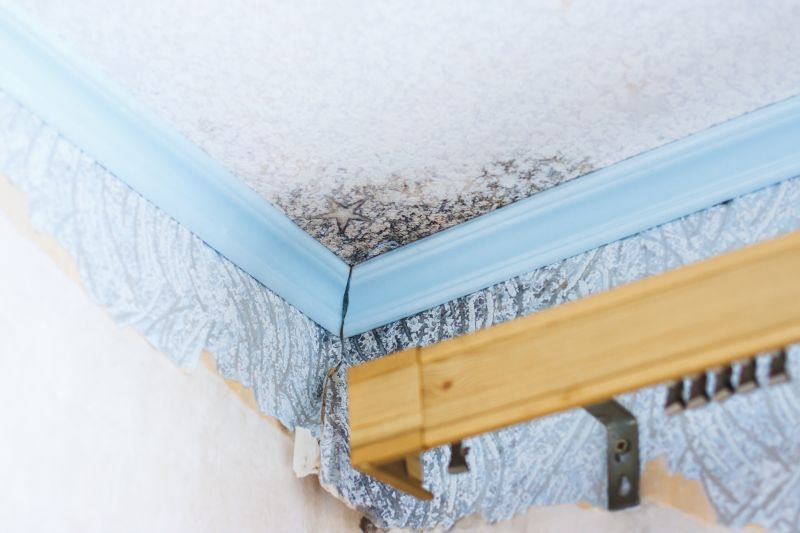
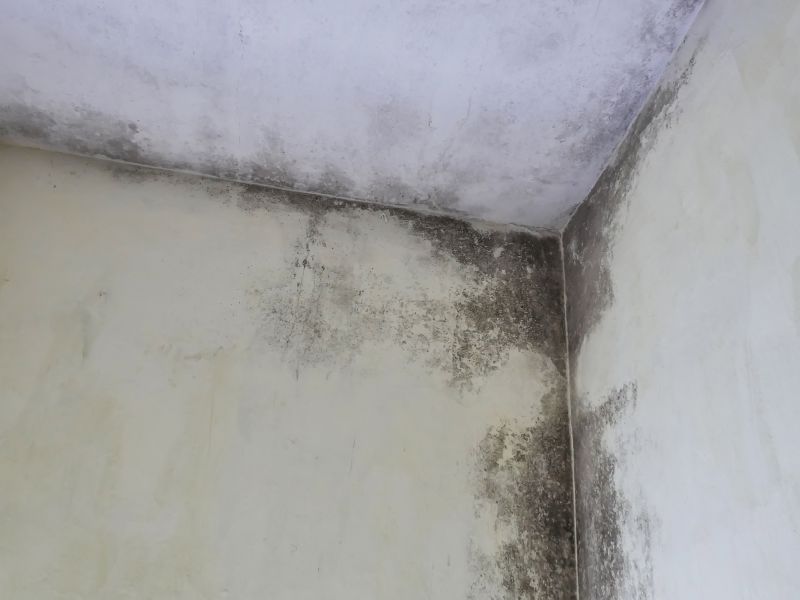
What causes ceiling mold? Ceiling mold often results from excess moisture, humidity, or water leaks that create a damp environment suitable for mold growth.
How can mold be identified on ceilings? Mold appears as discoloration, often black, green, or brown, and may have a fuzzy or slimy texture upon close inspection.
Is mold removal safe for homeowners? Professional removal involves safe practices to eliminate mold and prevent health issues, ensuring the affected area is properly cleaned.
What types of ceilings are commonly treated for mold? Mold removal services typically address drywall, plaster, and suspended ceiling tiles where moisture issues are present.
Request Ceiling Mold Removal in Essex County, NJ
Use the quote form on this page to share the basics of your project and request more information for the type of work you need.